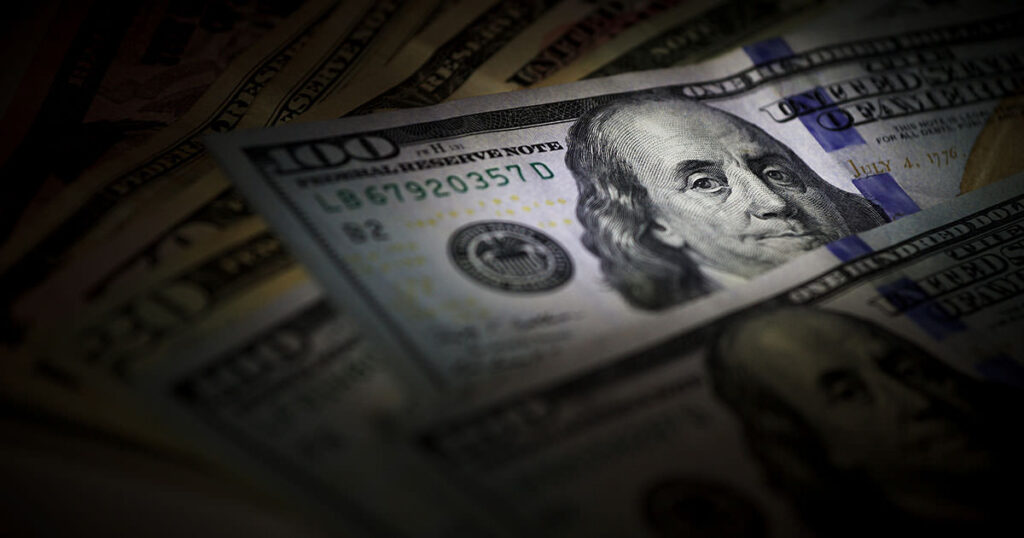
Dark money in judicial elections is political spending that makes it difficult or impossible for the public to identify the original donors trying to influence a race. The money may pass through nonprofit organizations, political groups, or other entities that can pay for advertising without clearly revealing who supplied the funds.
That lack of transparency matters in every election. It is especially concerning when the candidates are judges who may later hear cases involving the industries, organizations, or individuals supporting their campaigns.
Courts are expected to apply the law fairly, protect constitutional rights, and give every person a meaningful opportunity to be heard. When hidden donors spend heavily to shape who reaches the bench, voters may not have enough information to evaluate potential conflicts of interest. Judges may also face public doubts about whether campaign support affects decisions, even when no direct agreement or legal violation can be proven.
American Justice Watch believes that fair courts require transparency, accountability, and judicial selection systems that protect independence from political, corporate, and special-interest pressure. Learn more about our mission for fair judicial selection.
Why Judicial Elections Are Especially Vulnerable
State supreme courts often have the final word on state law. Their decisions can affect voting rights, reproductive freedom, consumer protection, workplace rights, civil liability, criminal justice, education, public safety, and the balance of power among state institutions.
According to the Brennan Center for Justice, 38 states use elections as part of the process for choosing or retaining state supreme court justices. Some states use partisan elections, some use nonpartisan contests, and others ask voters whether sitting justices should remain in office through retention elections.
These systems can place judges in a difficult position. A judicial candidate may need to raise enough money to communicate with voters across an entire state while also preserving the independence expected of a judge. Outside groups can spend additional money on advertisements that the candidate does not formally control. When the donors behind that spending remain hidden, voters may see the message without knowing whose interests are paying to deliver it.
The concern is not simply that money exists in a campaign. The concern is that undisclosed or difficult-to-trace money can obscure relationships that matter to public confidence, judicial ethics, and recusal decisions.
Why 2026 Matters
Judicial elections are a significant part of the 2026 political landscape. State Court Report reports that 32 states will hold elections for 65 seats on their highest courts in 2026. Major races and retention votes may influence the direction of state law for years.
Recent campaigns also show how quickly judicial spending can escalate. State Court Report noted that the 2025 Wisconsin Supreme Court race drew more than $100 million in spending and resembled a nationally contested political campaign. That level of attention makes donor transparency, campaign-finance reporting, and strong judicial ethics rules even more important.
Voters should not have to become forensic accountants to understand who is trying to influence a court. Campaign disclosures should be timely, searchable, and detailed enough to reveal the original sources of major spending whenever the law permits.
How Dark Money Can Affect Trust in the Courts
Dark money does not prove that a judge will rule for a donor. It does create conditions that can weaken confidence in the courts.
First, hidden funding can prevent voters from evaluating the motives behind campaign messages. An advertisement may present itself as a public-safety or consumer-advocacy message while being financed by organizations connected to industries that regularly appear in court.
Second, undisclosed spending can make potential conflicts harder to identify. If litigants and the public cannot determine who supported a judicial campaign, they may not know when a donor or related organization has a case before the court.
Third, expensive elections can create continuing fundraising pressure. Judges who expect another contested election may know that future campaign support could depend on how political groups interpret their record.
These concerns are part of the broader crisis of corporate and special-interest influence in the courts. Judicial independence requires more than an absence of explicit corruption. It also requires systems that reduce financial pressure, disclose potential conflicts, and make impartial decision-making credible to the public.
What Stronger Accountability Can Look Like
No single reform will eliminate every risk, but states can take practical steps to protect fair courts.
- Require timely disclosure of major judicial campaign spending.
- Make donors and spending entities easy for the public to search.
- Strengthen recusal rules when judges benefit from substantial campaign support.
- Use independent procedures to review difficult recusal questions.
- Enforce judicial conduct and campaign-finance rules consistently.
- Consider public financing or other systems that reduce dependence on large private donors.
- Give voters reliable, nonpartisan information about judicial candidates and selection systems.
The Brennan Center’s research on money in judicial elections documents how special-interest spending and misleading campaign attacks can threaten evenhanded justice. Its judicial selection map also explains how each state chooses judges.
What Voters Can Do
Voters can begin by learning how judges reach the bench in their state. Before a judicial election or retention vote, review official campaign-finance records, credible reporting, bar evaluations where available, judicial conduct records, and the candidate’s professional history.
Pay attention to who paid for an advertisement, not only what the advertisement claims. If the sponsor is an unfamiliar organization, look for its major donors, affiliated groups, officers, and prior campaign activity. Compare information across multiple reliable sources.
You can also ask elected officials and judicial candidates where they stand on disclosure, recusal, ethics enforcement, and public access to court information. These are structural questions about fairness and accountability, not demands for a judge to promise a particular outcome.
Finally, stay engaged after election day. Judicial independence is shaped by legislation, ethics rules, appointment procedures, campaign-finance enforcement, and public oversight throughout a judge’s term.
Sign up for fair courts updates and advocacy alerts from American Justice Watch. We will continue tracking judicial elections, dark money, corporate influence, and reforms that can protect impartial courts.
Fair Courts Depend on Visible Accountability
Courts hold extraordinary power over rights, liberty, property, and access to justice. The public deserves to know who is trying to influence the people who exercise that power.
Dark money in judicial elections does not only create a campaign-finance problem. It creates a transparency problem, an ethics problem, and a public-trust problem. Fair courts are stronger when donors are visible, conflicts can be examined, and judges are protected from financial and political pressure.
American Justice Watch will continue working for courts that answer to the law and the Constitution, not hidden donors or powerful special interests.